


 Primary Care

Urgent Care vs. Emergency Room: When to Choose ConvenientMD
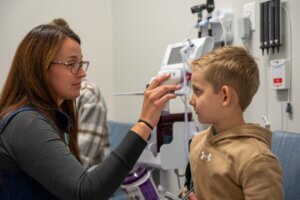
Little things, like a skinned knee, can usually be treated at home. Life-threatening conditions, like chest pain, require a trip to the emergency room (ER). For everything in between, there’s Urgent Care.
Urgent Care was created to fill this gap. Urgent Care centers provide walk-in care for acute illnesses and injuries that are time-sensitive but not life-threatening that may be beyond the scope or availability of a typical primary care office. Centers like ConvenientMD treat patients of all ages and commonly address conditions such as flu, asthma flare-ups, minor fractures, cuts requiring stitches, infections, and other everyday medical needs. This makes urgent care a practical option for unscheduled care when your primary care provider isn’t available.
A defining feature of Urgent Care is its focus on patient experience—combining medical expertise with accessibility and service. Well-managed, non-hospital-affiliated Urgent Care centers typically offer:
- Shorter visit times compared to emergency departments for non-emergent conditions
- Lower costs than ER visits for similar issues, often billed at rates comparable to a doctor’s office
- Walk-in access with no appointment required
- On-site diagnostics, including X-ray and basic laboratory testing
- Extended hours, including evenings and weekends
Urgent care centers play a critical role in community health by delivering immediate care for acute, non-life-threatening conditions. When patients, primary care providers, emergency departments, and urgent care centers work together, the result is a coordinated system that places patients in the right setting for the right level of care at the right time.
Urgent care centers can generally provide more comprehensive, broader diagnostic capabilities and the ability to manage more complex injuries and illnesses. However, only emergency departments are equipped to treat life-threatening conditions. Anyone experiencing symptoms such as chest pain, difficulty breathing, severe trauma, stroke symptoms, or uncontrolled bleeding should seek care at the nearest emergency department immediately.
It’s also important to note that urgent care does not replace primary care. Primary care providers remain essential for preventive care, chronic disease management, and long-term health. Urgent Care complements that relationship by treating episodic illnesses and injuries, communicating care back to primary providers, and referring patients to specialists when appropriate.
We’re Here to Help
At ConvenientMD, our mission is simple: to make high-quality medical care easier to access when you need it most. Whether you’re dealing with a sudden illness or a minor injury, our experienced medical teams are here to provide prompt, compassionate, and reliable care. Open everyday 8a – 8p.