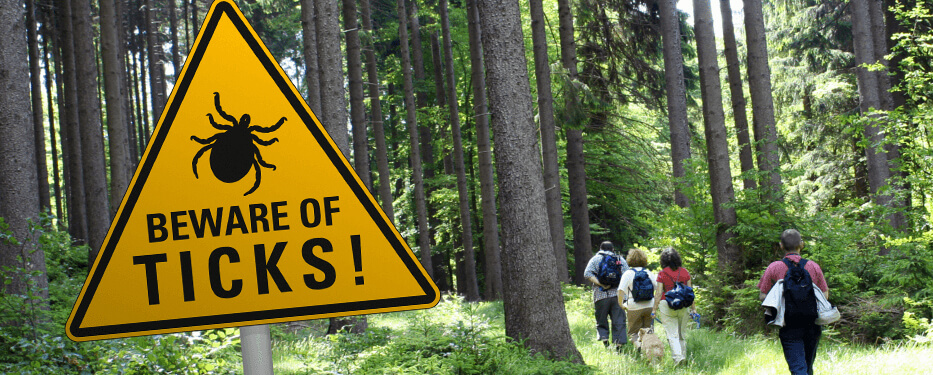
Ticks Commonly Found in New England
While not all tick bites lead to illness, some ticks can transmit serious diseases, including Lyme disease. That’s why prevention, early detection, and knowing when to seek medical care are essential. There are three primary types of ticks in New England known to bite humans and animals:
- Deer tick (blacklegged tick): Extremely small and difficult to spot. Active in spring, summer, and fall. Known for transmitting Lyme disease, anaplasmosis, and babesiosis.
- American dog tick (wood tick): Larger and easier to see. Can transmit Rocky Mountain spotted fever and tularemia in rare cases.
- Lone star tick: Can cause redness and discomfort at the bite site and may transmit ehrlichiosis and Heartland virus.
Although deer ticks are the most concerning in this region, any tick bite should be taken seriously.
How to Prevent Tick Bites
Taking simple precautions can significantly reduce your risk of being bitten:
1. Know where ticks live
Generally, ticks prefer to reside in and around moist and humid environments, including wooded and grassy areas. As a result, ticks may attach to you during outdoor activities – such as walking through brush or leaves.
2. Use insect repellent
When choosing a tick repellent, be aware of the safety parameters associated with each. Repellents containing 20% or more DEET can be applied directly to the skin and protect against insects for several hours. Products that contain permethrin cannot be used on the skin, but can be used on boots, clothing and camping gear.
3. Wear protective clothing
Covering up can prevent ticks from latching on to skin, so wear long pants and sleeves as appropriate. Ticks are generally the size of a poppy seed, so wearing lighter colors can help you spot ticks sooner.
How to Check for Ticks
After spending time outdoors, check your body carefully, paying close attention to:
- Under the arms
- In and around the ears
- Inside the belly button
- Back of the knees
- Scalp and all body hair
- Between the legs
- Around the waist
Ticks can be as small as a poppy seed, so a thorough check is critical—even after short outdoor activities.
How to Remove a Tick Safely
If you find a tick, remove it as soon as possible. Ticks attached for less than 24 hours are much less likely to transmit disease.
- Use fine-tipped tweezers to grasp the tick close to the skin.
- Pull upward with steady, even pressure—do not twist or jerk.
- Clean the bite area and your hands with soap and water or rubbing alcohol.
- Dispose of the tick by submerging it in alcohol, sealing it in a bag, wrapping it tightly in tape, or flushing it down the toilet. Never crush a tick with your fingers.
Tick Bite Symptoms to Watch For
Symptoms of tick-borne illness may appear days or even weeks after a bite, and sometimes occur without a visible tick bite.
Common symptoms include:
- Fever and chills
- Headache
- Fatigue
- Muscle or joint aches
- Swollen lymph nodes
- Rash, including a bull’s-eye rash (erythema migrans) associated with Lyme disease
If you notice these symptoms, especially after spending time outdoors, seek medical evaluation promptly.
When to Seek Medical Care
You should visit a medical provider if:
- You develop flu-like symptoms or a rash
- A tick bite becomes painful, swollen, or infected
- You experience joint swelling or persistent fatigue
- You are unsure how long the tick was attached
Early evaluation allows providers to determine whether testing or treatment is necessary, based on symptoms and geographic exposure.
We’re Here to Help
If you’re dealing with a tick bite or experiencing symptoms of a tick-borne illness, ConvenientMD Urgent Care is here to help. Our providers can evaluate your symptoms, remove ticks safely, and recommend next steps for care.
With walk-in availability and extended hours, you can visit any ConvenientMD location in Maine, New Hampshire, or Massachusetts—no appointment needed.


 Primary Care