Bruises: When to Seek Medical Attention

A senior woman in nature is looking at a bruise on her arm

Understanding Bruises and Hematomas

When the soft tissues of the body experience mild trauma, small veins and capillaries under the skin can break, causing red blood cells to leak. This pooling of blood beneath the skin results in discoloration—commonly black, blue, purple, brown, or yellow. Unlike cuts, bruises generally do not involve external bleeding. The size and severity of a bruise depend on the force of the injury.


What Do the Different Colors of a Bruise Mean?

The color of a bruise reflects its age and the natural healing process as the body breaks down red blood cells:

  • Red: Fresh, oxygen-rich blood pools under the skin immediately after injury.
  • Blue, purple, or black: After 1–2 days, the blood loses oxygen and changes color depending on size, location, and severity.
  • Yellow or green: Between 5–10 days, the bruise turns yellow or green due to biliverdin and bilirubin produced while breaking down hemoglobin.
  • Yellowish-brown or light brown: Around 10–14 days, the bruise enters its final healing stage.

Bruise vs. Hematoma

Bruises (contusions) are typically surface injuries. Hematomas, on the other hand, are larger, deeper, and develop more quickly. They may cause significant swelling and discomfort.

Hematomas in the head, face, or abdomen can be serious:

  • Head: Intracranial hematomas may cause headache, nausea, vomiting, slurred speech, or confusion.
  • Face: Septal hematomas can cause swelling, bruising, nosebleeds, or clear fluid drainage.
  • Abdomen: May lead to swelling, tenderness, or pain, even if symptoms are not immediately noticeable.

When to Seek Medical Attention for a Bruise

Most bruises heal on their own. However, if you suffer a more significant trauma or injury and have bruising that does not heal and disappear after 2 weeks, then it’s time to get medical attention.

  • Frequent, very large, or painful bruises
  • Numbness or weakness in the injured area
  • Swelling or heat around the bruise (especially on your leg)
  • Loss of function in the affected limb, joint, or muscle
  • Increasing size or density of the bruise
  • Lumps under the bruise
  • Pain lasting longer than 2–3 days
  • Bruising that persists for more than 2 weeks
  • Suspected broken bones
  • Trauma to the head or neck
  • Vision changes
  • Unexplained or random bruising, especially in the abdomen, head, or trunk

Easy bruising or frequent unexplained bruising may signal an underlying medical issue that should be evaluated by a healthcare provider.


We’re Here to Help

While most bruises are minor, serious or unexplained bruising deserves prompt medical attention. ConvenientMD providers can evaluate injuries, rule out complications, and recommend appropriate treatment.

Stop into any ConvenientMD Urgent Care location in Maine, New Hampshire, or Massachusetts for fast, walk-in care—no appointment needed.
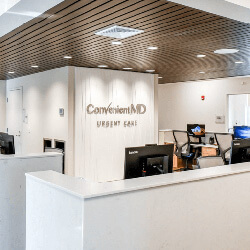

What Is Urgent Care? When ConvenientMD Is the Right Choice

Urgent care clinics like ConvenientMD have changed the way people access healthcare. By offering fast, convenient, and more affordable treatment for common illnesses and injuries, urgent care gives patients a smart alternative to the emergency room for non-life-threatening conditions.

While emergency rooms are essential for serious and life-threatening situations, many medical concerns can be treated quickly and effectively at an urgent care clinic—saving you both time and money.

A simple rule of thumb: if it’s life- or limb-threatening, go to the ER. Otherwise, urgent care is often the better choice.


Save Money with Urgent Care

ConvenientMD Urgent Care is ideal for non-emergency situations such as:

  • Minor cuts and lacerations
  • Sprains, strains, and simple fractures
  • Cold, flu, and other common illnesses
  • Allergic reactions
  • Urinary tract infections (UTIs)

Because urgent care clinics accept most insurance plans, patients typically pay much less out of pocket compared to a hospital visit. Emergency rooms often come with significantly higher co-pays and facility fees—even for minor issues.

At ConvenientMD, we take affordability seriously. If you don’t have insurance, you’ll never pay more than $250 for services provided. This policy is one of the ways we work to make high-quality healthcare more accessible to the communities we serve.


Save Time with Walk-In Care

When an injury or illness needs prompt attention, urgent care is almost always faster than the emergency room. Most patients at urgent care clinics can be seen in under an hour while hospital wait times can stretch as more critical cases are prioritized.

That said, if your condition is life-threatening, you should always go directly to the emergency room.


More Than Just Injuries and Illnesses

Urgent care clinics also provide many services people often assume require a scheduled visit with a primary care provider. At any ConvenientMD Urgent Care clinic, you can walk in for:

  • Lab Services
  • Prescriptions and Antibiotics
  • X-Rays
  • Minor Surgical Procedures
  • Youth Sports & Camp Physicals
  • DOT Physicals
  • Vaccinations

The Same Quality of Care You Expect

Urgent care centers know their scope of practice—and within that scope, the quality of care is the same as what you would receive in a hospital setting. Services such as:

  • Stitches and wound care
  • X-rays and imaging
  • Prescriptions and antibiotics

are provided by highly trained medical professionals using the same standards of care. If a condition is more serious than what can be safely treated in urgent care, patients are promptly and appropriately referred to the emergency room.


We’re Here for You

ConvenientMD Urgent Care is designed for the moments when you need care quickly for minor illness and injuries. With shorter wait times, lower costs, and high-quality treatment, ConvenientMD offers a better option for most non-emergency medical needs.

Walk into any ConvenientMD location, no appointment required, and get the care you need, when you need it.

Working as an Urgent Care Medical Provider

Leading an urgent care clinic as a medical provider means you are seeing patients throughout the day while ensuring high quality care across a broad scope of illnesses and injuries. Here are some things you can expect when you join our team as a medical provider.

convenient md provider assists patient

Provide leading care.

Our provider team consists of top tier physicians, physician assistants and nurse practitioners. The work is fulfilling, essential and unpredictable, especially at an urgent care clinic. But the foundation of a medical provider will always concentrate around the best care for the patient. At ConvenientMD our culture of caring is a pillar to the way we run our day-to-day at the clinics. We are committed to providing quality care by adhering to all federal, state and local regulations. Operating an efficient practice while creating a healthier community can be tremendously rewarding. On most days you can expect to do the following:

  • Identify and treat a variety of acute and chronic illnesses
  • Discuss treatment options with patients and clinical team members to determine the best care
  • Assess patient health by taking complete medical histories and performing detailed physical exams
  • Diagnose acute illness or injury utilizing a wide variety of diagnostic tools including ECG, x-ray, point-of-care testing and lab studies
  • Treat acute traumatic injuries such as lacerations, minor fractures and burns
  • Work collaboratively with local specialists and Primary Care Providers

Working with a collaborative team.

The success of your medical practice is dependent on your team and how you work with them. When you join a ConvenientMD clinic, having a collaborative and supportive team is a priority. You are working with highly qualified Registered Nurses, urgent care techs, rad techs, certified medical assistants and dedicated medical receptionists. By setting each other up for success you are benefiting the care of the patient and the clinic’s effectiveness. It always takes some of the stress out of your job when you love the people you work with!

Grow with us.
Jumpstart a fulfilling and promising healthcare career

Virtual Urgent Care: Fast, Affordable Care from Home

Virtual urgent care offers patients a safe solution for urgent medical needs that do not require direct, physical treatment. Those with symptoms from illnesses such as cold and flu, rashes, ear infections, sore throats, headaches, allergies, and more have been seen and treated remotely, from the comfort of their own homes. This protects the patient, the healthcare staff, and other patients who require in-person treatment by reducing exposure to communicable illnesses. Virtual urgent care continues to help mitigate the transmission of common contagious conditions.

Virtual urgent care has also improved the accessibility of care for patients. At ConvenientMD, we recently expanded our virtual urgent care hours to 6:00am – 8:00pm, 7 days a week. With enhanced hours for treatment, more patients can take advantage of virtual urgent care. Patients who are located in remote areas are also able to access care much more easily and more quickly with this service. Time constraints are reduced and scheduling is simplified, with the patient not having to spend time traveling, arranging childcare, or waiting for their appointments.

While urgent care has always served as a more affordable alternative to an emergency department visit, affordable care can now be provided to patients with increased convenience and efficiency.  Virtual urgent care, eliminates the need for transportation and associated costs and it even reduces or eliminates the need for some patients to take time off from work to seek treatment. With virtual urgent care, more people seek initial treatment for injuries or illnesses than they would otherwise, preventing more expensive, in-depth treatment of progressed illness later on.

In short, virtual urgent care at ConvenientMD offers patients advantages including:

  • Reduced time cost
  • Increased availability and accessibility of care
  • Additional comfort and convenience
  • Reduced exposure to others
  • No risk of additional cost if a subsequent in-person evaluation is necessary


When Should Patients Use Virtual Care

While patients seeking treatment for more severe injuries such as open wounds or broken bones should continue to visit our ConvenientMD clinics for in-person care, our virtual services offer treatment for a broad range of illnesses and injuries, including but not limited to:

  • Cold, cough and flu
  • Strep throat
  • Allergies and asthma
  • Sinus infections
  • Headaches and migraines
  • Urinary tract infections
  • Gout
  • Rash, poison ivy, skin conditions
  • Arthritic pain
  • Pink eye/conjunctivitis

If an in-person follow-up is required, patients will not be billed for a second visit.

We encourage all of our patients to continue to access virtual services from the comfort and safety of their own homes when appropriate to do so. Patients receive the same high-quality care delivered in our clinics through virtual video visits with our providers.

ConvenientMD’s virtual urgent care services are available to patients in Maine, New Hampshire and Massachusetts, 6:00am-8:00pm, 7 days a week. Patients may be any age; however, if under 18, a legal guardian must be present. Most insurance is accepted, and is not required to be seen.

To be evaluated via virtual urgent care, enroll at 1-833-263-0131 or complete our online patient pre-registration form.

Heat Exhaustion vs. Heat Stroke: Signs, Symptoms and Treatments

Drinking water

Heat Exhaustion vs. Heat Stroke

Heat exhaustion and heat stroke are illnesses caused by the body overheating. While both occur under similar conditions, the severity, signs, and symptoms differ—and recognizing the difference can be life-saving.

One key distinction between these conditions is sweating:

  • Heat exhaustion typically develops during physical activity in hot temperatures. The body sweats heavily to cool itself, and the heart rate may slow due to fatigue. Excessive sweating often leads to dehydration.
  • Heat stroke is more severe. The body stops sweating, the skin becomes hot and dry, and the heart rate rises. Mental changes, such as confusion, are also common. Heat stroke is a medical emergency and requires immediate attention.

Signs and Symptoms of Heat Exhaustion

  • Heavy sweating
  • Cold, pale, and clammy skin
  • Slow heartbeat
  • Nausea or vomiting
  • Muscle cramps
  • Weakness or fatigue
  • Dizziness
  • Headache
  • Fainting

Signs and Symptoms of Heat Stroke

  • High body temperature (103°F or higher)
  • Hot, red, dry, or damp skin
  • Rapid heartbeat
  • Headache, dizziness, or nausea
  • Confusion or altered mental state
  • Loss of consciousness

When to Seek Medical Care

Most cases of heat exhaustion can be treated at home:

  • Move to a cool environment
  • Rest
  • Drink water consistently

If nausea or vomiting prevents fluid intake, medical attention may be needed, including IV fluids to rehydrate the body.

If someone with heat exhaustion stops sweating, becomes confused, has a seizure, or loses consciousness, seek immediate medical care. Call 911 if severe symptoms like seizures are present—heat stroke can be life-threatening.


Tips to Prevent Heat Related Illnesses

Protect yourself and your family during hot weather by following these steps:

  1. Wear appropriate clothing – Lightweight, light-colored, and loose-fitting clothes help keep you cool.
  2. Plan and pace outdoor activity – Exercise during cooler hours, such as mornings or evenings, and take frequent breaks.
  3. Wear sunscreen – Sunburn can reduce your body’s ability to cool itself. Use SPF 15 or higher.
  4. Avoid hot, heavy meals – Eating large, hot meals can increase your body temperature.
  5. Stay hydrated – Drink water consistently. Avoid sugary, caffeinated, or alcoholic drinks, which can dehydrate you.