Acute Injuries: When Do You Need an X-Ray?

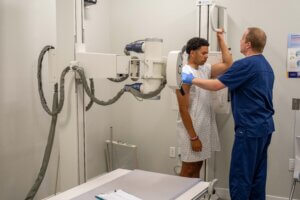
Xray Tech and patient

Types of Acute Injuries

Sprains & Strains

Sprains and strains are among the most common acute injuries evaluated at ConvenientMD. 

  • Sprains affect ligaments, which connect bones to each other.
  • Strains affect muscles or tendons, which connect muscles to bones.

These injuries often occur due to overstretching, sudden twisting movements, or walking or running on uneven surfaces. While sprains and strains can be painful, many mild to moderate cases improve with rest, ice, compression, and elevation (RICE). In these situations, an X-ray is not always required unless symptoms worsen or do not improve.

Dislocations

A dislocation occurs when a bone is forced out of its normal position within a joint. Dislocations often cause visible deformity, swelling, bruising, or significant pain. They commonly result from falls, collisions, or contact sports and can occur in the:

  • Fingers
  • Shoulders
  • Elbows
  • Jaw
  • Ankles
  • Knees

After an examination, a provider may order an X-ray to confirm the dislocation and check for associated fractures or joint damage.

Fractures

A fracture occurs when a bone experiences more force than it can withstand. The terms fracture, break, and crack are often used interchangeably and mean the same thing—the bone is no longer intact.

There are many types of fractures, including:

  • Bowing fractures, where the bone bends or cracks but does not fully break
  • Complete fractures, where the bone breaks into two or more pieces

While a provider may suspect a fracture based on symptoms and physical examination, X-ray imaging is necessary to confirm the diagnosis and determine the type and severity of the fracture.


Signs and Symptoms of Broken Bones

Pain is the most common symptom of a fracture, though pain tolerance varies from person to person. Additional symptoms that may indicate a broken bone include:

  • Bruising & Discoloration: Bruising shows that blood has escaped from the capillaries and is a sign of tissue damage. Though it can occur with any type of injury, bruising as a result of fracture may be particularly extensive and dark in color.
  • Swelling: Swelling often occurs due to blunt trauma, when fluid leakage causes soft tissue such as muscles and skin to swell. Swelling may be a sign that a bone has broken.
  • Crepitus: A grating or crunching sensation or sound produced by bone fragments rubbing together. This sensation is not normally felt in the body and may indicate a breakage.
  • Deformity: If a bone is either bent in an odd direction, protrudes from the skin or is otherwise deformed in some way, chances are that a fracture has occurred.

Not every injury requires an X-ray, but every injury should be evaluated. A thorough physical examination helps determine the type of injury, guides treatment, and reduces the risk of complications.

Untreated fractures can lead to:

  • Improper bone healing or deformity
  • Nerve, muscle, or ligament damage
  • Chronic pain and swelling
  • Loss of function or mobility

We’re Here to Help

If you or a family member may have sustained an acute injury, the providers at ConvenientMD can quickly assess your symptoms and determine whether an on-site X-ray is necessary. Just walk into any ConvenientMD location in Maine, New Hampshire, or Massachusetts, or check in online. We’re open 8am–8pm, seven days a week, with no appointment needed.


Earaches and Ear Infections: Causes, Risks and Treatment

girl with ear pain

What Causes Ear Pain?

Ear pain can be caused by a variety of factors. Viral infections such as the common cold or flu, as well as seasonal allergies, can lead to inflammation and fluid buildup in the middle ear, creating pressure and discomfort.

Another common cause of ear pain is swimmer’s ear, an infection of the outer ear canal that occurs when water becomes trapped in the ear after swimming or bathing. If you’re already dealing with symptoms like a stuffy nose or sore throat from a cold or flu, ear pain can be an especially frustrating addition.


Who Is at Risk?

While adults can experience earaches and ear infections, middle ear infections are especially common in children under the age of eight and can develop quickly. Pain severity may range from a mild, dull ache to sharp, burning, or throbbing sensations in one or both ears.


What’s the Difference Between an Earache and an Ear Infection?

Ear pain caused by allergies or viral illnesses can sometimes progress into an ear infection. This often happens when the eustachian tube becomes blocked, preventing fluid from draining properly. When fluid remains trapped, bacteria can grow and cause infection.

Ear infections are most commonly bacterial and may require antibiotics for treatment. Because symptoms of earaches and ear infections often overlap, it can be difficult to determine the cause of ear pain without a medical exam.

Earaches and ear infections are especially common in young children, who may not be able to clearly communicate what they’re feeling. Signs and symptoms to watch for include:

  • Tugging or pulling at one or both ears (this can also be related to teething or fatigue)
  • Increased fussiness, crying, or difficulty sleeping
  • Fever, particularly in infants and young children
  • Fluid draining from the ear
  • Trouble hearing or decreased response to sounds

Diagnosing and Treating Earaches and Ear Infections

For earaches caused by viral infections or allergies, at-home care can often provide relief. Applying a warm compress to the affected ear and using over-the-counter pain relievers may help reduce discomfort.

If ear pain is severe, persistent, or accompanied by symptoms such as a fever that isn’t improving, fluid or discharge from the ear, or hearing changes, it’s important to seek medical care. These symptoms may indicate an ear infection that requires antibiotics.

Diagnosing ear pain typically begins with a physical examination. If a viral infection is suspected, treatment may include warm compresses, decongestants, and pain or fever reducers. If a bacterial infection is suspected, a provider may prescribe oral or topical antibiotics—especially if symptoms have not improved with at-home care. While most symptoms improve within a week, some lingering effects, such as ringing in the ears, may take longer to fully resolve.


We’re Here to Help

If you or a family member are experiencing ear pain or symptoms of an ear infection, simply stop into any ConvenientMD location in Massachusetts, New Hampshire, or Maine for evaluation and treatment. Our clinics are open 8 a.m. to 8 p.m., seven days a week, and no appointment is needed—just walk in.

Pneumonia: Causes, Symptoms, and Care

Home, hands and old man with chest pain, cough and cardiac symptoms in lounge. Closeup, hypertension or elderly person with heart attack signs, retirement and viral infection with illness or asthma

What is Pneumonia?

Pneumonia is a respiratory infection that inflames the air sacs (alveoli) in the lungs, which may fill with fluid or pus. It can be caused by bacteria, viruses, or occasionally fungi, and may develop after a cold, bronchitis, or due to aspiration. Pneumonia can make breathing difficult and reduce oxygen levels if left untreated, so prompt evaluation is important. 


Types of Pneumonia

Pneumonia is generally classified into two main types: bacterial and viral. 

Bacterial pneumonia is caused by various bacteria, with Streptococcus pneumoniae being the most common. It often develops when the body is weakened by illness, poor nutrition, older age, or a compromised immune system. Atypical bacterial pneumonia, such as that caused by Mycoplasma pneumoniae, can result in milder cases known as “walking pneumonia,” with symptoms including fatigue, sore throat, and a persistent cough. 

Viral pneumonia, on the other hand, is caused by viruses like influenza and RSV. It is the most common type of pneumonia and typically affects young children and older adults. While viral pneumonia usually resolves with supportive care, complications can arise in high-risk patients. 


What are the Symptoms?

Symptoms can range from mild to severe and often include:

  • Cough
  • Mucus production
  • Fever and chills
  • Shortness of breath
  • Chest pain
  • Fatigue and body aches

Who is at Risk?

Anyone can develop pneumonia, but certain groups are at higher risk:

  • Adults age 65 and older
  • Children under 2 years old
  • People with compromised immune systems
  • Smokers
  • Individuals with chronic medical conditions

Prompt evaluation is essential for these populations to prevent serious complications.


Diagnosing and Treating Pneumonia

Pneumonia is typically diagnosed through a combination of a physical exam, including vital signs and listening to the lungs, and a review of symptom history. A chest X-ray may be performed to confirm the presence of infection and determine its severity. 

Treatment depends on the type and severity of the pneumonia. Bacterial pneumonia is treated with antibiotics, including those used for atypical bacterial forms like Mycoplasma pneumoniae. Viral pneumonia usually resolves on its own with rest, hydration, and supportive care. 

In severe cases, particularly in older adults, immunocompromised individuals, or those experiencing low oxygen levels, hospitalization may be required for oxygen support, intravenous medications, or management of complications. 


Pediatric and High-Risk Considerations

Infants and young children are more susceptible to viral pneumonia, while older adults and individuals with chronic conditions or weakened immune systems are at higher risk for severe bacterial or viral pneumonia. Prompt evaluation and treatment are essential for these populations to prevent serious complications such as respiratory failure, sepsis, or prolonged illness. 


We’re Here to Help

Pneumonia can develop quickly and progress rapidly. At ConvenientMD, our providers evaluate and treat pneumonia for patients of all ages. We determine whether antibiotics are necessary, provide supportive care for viral infections, and guide high-risk patients on next steps. 

Walk into any ConvenientMD location in Massachusetts, New Hampshire, or Maine—no appointment is needed—for expert care and peace of mind. 

Rashes: Causes, Symptoms, and Treatment

Mid-adult pregnant Asian woman having a rash (skin condition) while sitting on the sofa at home.

What is a Rash?

A rash is an area of skin that appears red, irritated, swollen, or bumpy. Rashes can be caused by infections, allergens, irritants, medications, or environmental factors. Some rashes resolve on their own, while others require medical evaluation.


What are the Symptoms of a Rash?

Symptoms of a rash can differ depending upon its underlying cause, the most common rashes exhibit the following characteristics:

  • Red bumps
  • Hot, red skin
  • Itchiness
  • Cracked, scaly skin
  • Blisters
  • Oozing/draining
  • Tenderness and discomfort

In severe cases, the following symptoms may be signs of a medical emergency:

  • Fever of 100°F or higher
  • Confusion
  • Tightness of the throat
  • Dizziness
  • Head and neck pain
  • Vomiting
  • Diarrhea

These may be signs of a medical emergency and require immediate treatment to avoid the potential for serious complications.


Diagnosing and Treating a Rash

Diagnosis involves a physical exam and review of symptoms and potential triggers. Treatment depends on the cause and may include oral antihistamines, topical steroids, moisturizers, or prescription medications for more severe rashes.

Consider visiting ConvenientMD Urgent Care if any of the following are true of your rash:

  • Your rash covers a large area of skin
  • The rash is getting worse instead of better
  • Fever or pain accompanies the rash

Pediatric and High-Risk Considerations

Children are more prone to rashes from viral infections, irritants, or allergies. Infants and toddlers may develop diaper rash or eczema. High-risk adults—including elderly patients, those with compromised immune systems, or chronic skin conditions—may require closer monitoring to prevent infection or worsening symptoms. Prompt evaluation is recommended if rashes are severe, persistent, or accompanied by systemic symptoms.


We’re Here to Help

At ConvenientMD, we treat a wide variety of rashes for patients of all ages. Our providers can evaluate your symptoms, determine the underlying cause, and recommend effective treatment to relieve discomfort and prevent complications. Walk into any ConvenientMD location—no appointment is needed—and get fast, expert care so you can feel your best again.

Conjunctivitis (Pink Eye): Symptoms, Causes, and Care

little boy rubbing his eye

What Is Conjunctivitis (Pink Eye)?

Conjunctivitis, or pink eye, is inflammation of the conjunctiva—the clear tissue covering the white part of the eye and the inner eyelids. It can be caused by allergic reactions, viruses, or bacteria. Viral and bacterial forms are contagious, while allergic conjunctivitis is not.


What are the Symptoms of Conjunctivitis?

Symptoms of conjunctivitis often depend upon the underlying cause of the inflammation and typically include the following:

  • Redness of the eyes (especially the whites of the eyes)
  • Increased tears
  • Swelling
  • Crusty discharge
  • Itchy or burning eyes
  • Sensitivity to light
  • Swollen lymph nodes

In severe cases, the following symptoms may occur and are signs of a medical emergency:

  • Blurred vision
  • High fever
  • Severe pain in eye

If experienced, seek medical treatment right away so as to prevent complications from forming.


Diagnosing and Treating Conjunctivitis

Conjunctivitis is usually diagnosed via a physical examination and a conversation about symptoms and recent medical history. Rarely, a sample of discharge from the eye may be taken for laboratory analysis to confirm or deny a bacterial infection.

Treatment depends on the cause. Viral conjunctivitis usually resolves on its own in 2–3 weeks with supportive care, while bacterial cases may require antibiotic eye drops. Allergic conjunctivitis can be relieved with antihistamine drops. Practicing good hygiene helps prevent spreading infection.


Pediatric or High-Risk Considerations

Children, especially those in school or daycare, are the most commonly affected by conjunctivitis due to close contact with peers. They are more likely to contract viral or bacterial forms and may spread the infection to others. Contact lens wearers, the elderly, and individuals with weakened immune systems are also at higher risk for complications. Prompt evaluation is important for these groups to prevent infection, manage symptoms effectively, and reduce the risk of spreading the illness to others.


We’re Here to Help

At ConvenientMD Urgent Care, we regularly treat cases of conjunctivitis for patients of all ages. Our providers can evaluate your eyes and recommend treatment. Walk in today—no appointment is needed—and get fast, high-quality care so you can feel better and prevent the spread of infection.