Lacerations and Cuts: Symptoms, Treatment, and Care

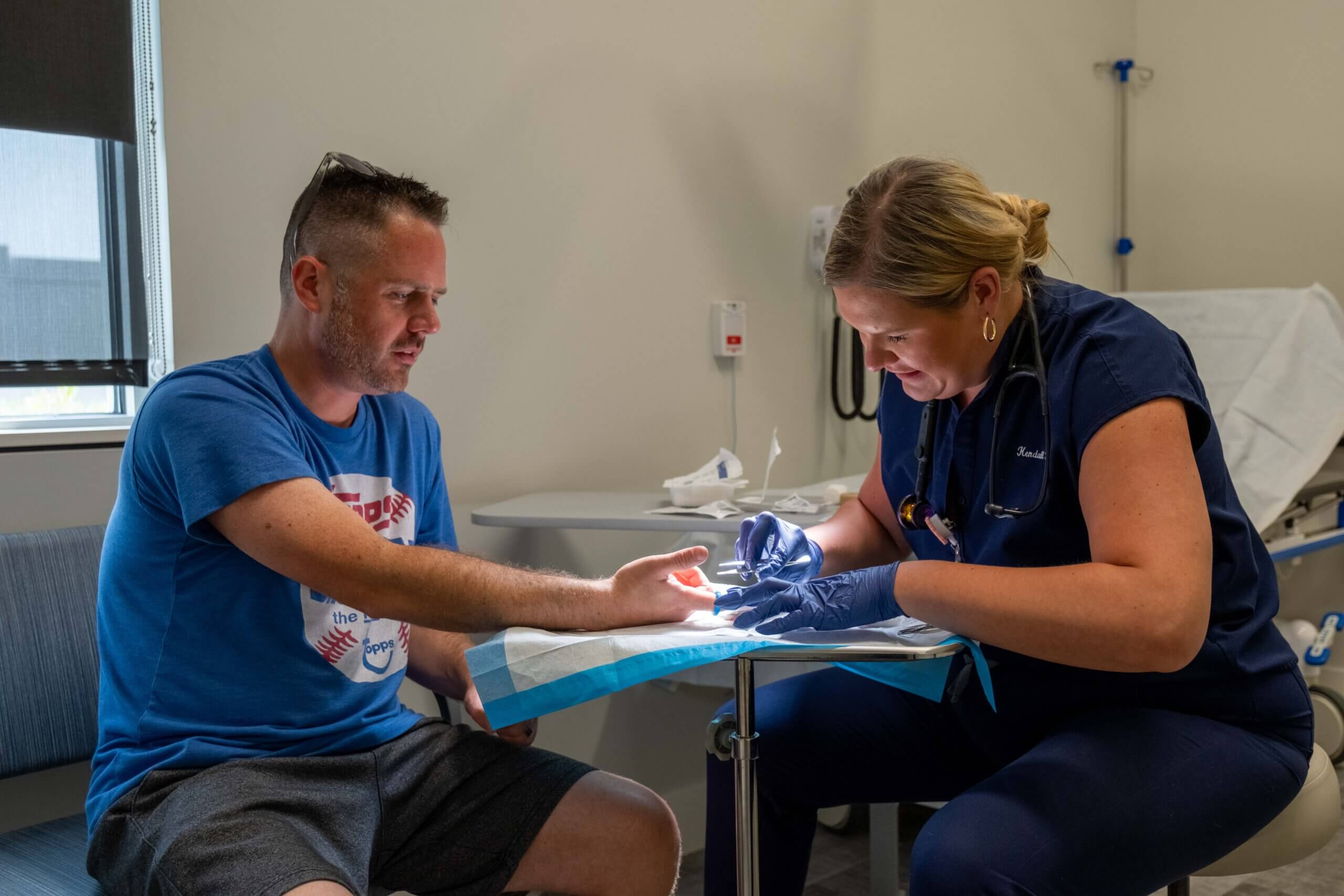
man getting suture from nurse

What are Lacerations and Cuts?

Minor cuts tend to heal relatively quickly and do not typically come along with a high risk for infection. Lacerations are deeper injuries that can affect skin, connective tissue, muscles, and in severe cases, nerves or tendons, often resulting in significant bleeding. They often result from blunt trauma, falling or collisions. In severe cases, damage to the muscle and underlying skin can occur.


What are the Symptoms of Lacerations and Cuts?

Lacerations and cuts are usually obvious and do not tend to go ignored or overlooked. They can come along with varying symptoms, however, including the following:

  • Pain (mild to severe depending upon the injury)
  • Bruising
  • Bleeding
  • Swelling
  • Skin discoloration

In severe cases, the following symptoms may be signs of a medical emergency:

  • Persistent bleeding that doesn’t stop after 10–15 minutes of direct pressure
  • Debris in the wound
  • Numbness beyond the wound or inability to move a finger or toe.
  • Partially severed fingers/toes
  • Signs of shock (such as weak pulse, clammy skin, rapid breathing)

If experienced, seek medical treatment right away so as to prevent complications from forming.


Diagnosing and Treating Lacerations and Cuts

The first step with any laceration or cut is to stop the bleeding. This can be done by applying direct pressure with sterile gauze or a clean cloth and keeping the affected area elevated. Once bleeding is controlled, moderate to severe lacerations may require professional evaluation, cleaning, and closure. Depending on the size, depth, and location of the wound, providers may use sutures, staples, or medical adhesive to promote proper healing.

Your ConvenientMD provider will also assess tetanus vaccination status to reduce the risk of infection and ensure safe recovery.


Pediatric or High-Risk Considerations

Children, elderly patients, and individuals with certain medical conditions may be at higher risk for complications from cuts and lacerations. Prompt evaluation is important to prevent infection, ensure proper wound closure, and promote safe healing.


We’re Here to Help

At ConvenientMD Urgent Care, we provide expert care for cuts and lacerations of all types, from minor injuries to deeper wounds that require professional treatment. Our providers can quickly clean, evaluate, and close wounds while minimizing infection risk. Walk into any ConvenientMD location—no appointment is needed—and receive safe, high-quality care to help you heal quickly and comfortably.

Sprains and Strains: Symptoms, Treatment, and Care

What are Sprains and Strains?

Sprains and strains are common injuries amongst both children and adults. While similar to one another, each actually involves a different part of the body. Sprains occur when tough, fibrous ligament tissue in the joints is overstretched or torn, commonly affecting the ankles, knees, and wrists. Strains involve stretching or tearing of muscles or tendons, often occurring in the lower back, hamstrings, and shoulder muscles.

Both types of injuries can range in severity from mild (small tears or overstretching) to severe, in which case a complete tear may result. Sprains and strains require medical attention to ensure minimal healing time.


How Do Sprains and Strains Occur?

Any type of physical activity can lead to sprains or strains, although certain scenarios are more common than others.

Sprains affect ligaments (the tough bands that connect bone to bone at a joint). They occur when a ligament is stretched or torn, often from twisting, rolling, or sudden impact.

Strains affect muscles or tendons (which connect muscle to bone). They commonly result from overstretching, improper lifting, sudden movements, or repetitive stress. A strain may lead to muscle spasms, swelling, cramping, and difficulty moving the affected area, which is typically confined to the legs, arms, neck and back.


How are Sprains and Strains Treated?

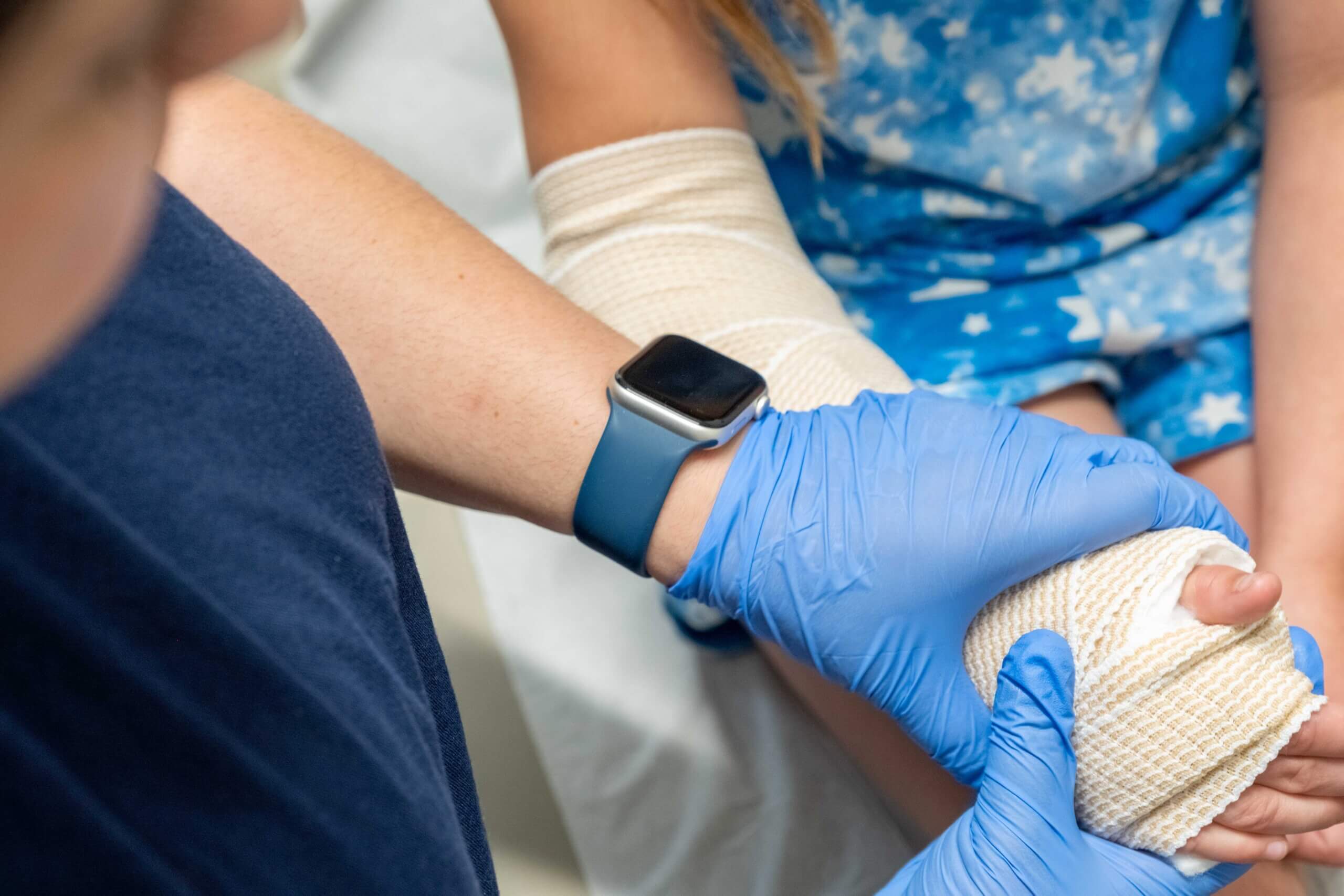
Treatment begins with controlling swelling and pain through rest, ice (15–20 minutes at a time), compression, and elevation. NSAIDs may help reduce pain and inflammation. Moderate-to-severe sprains or strains may require splints or braces, and complete tears of ligaments or tendons could need surgical repair. Physical therapy is often recommended to regain strength and mobility.


Pediatric Considerations

Sprains and strains in children and adolescents can have unique considerations. During growth spurts, bones, muscles, and tendons may develop at different rates, increasing the risk of injury. Young athletes are particularly susceptible to sprains, strains, and overuse injuries. Additionally, injuries near growth plates—the areas of developing tissue at the ends of long bones—require careful evaluation, as damage can affect future bone growth. Parents and caregivers should seek prompt medical attention if a child experiences severe pain, swelling, difficulty moving the joint, or any signs of a more serious injury.


We’re Here to Help

At ConvenientMD, we understand how painful sprains and strains can be. Our providers evaluate injuries and provide appropriate treatment during your visit. From mild strains to more severe sprains, walk in without an appointment for prompt medical care.  We’re open every day from 8 a.m. to 8 p.m. 

Sinus Infections: Symptoms, Causes, and When to Seek Care

woman blowing nose with sinus infection

What is a Sinus Infection?

Sinus infections are often called “sinusitis” (also “rhinosinusitis”), sinus infections occur when either viruses or certain forms of bacteria multiply within the body’s sinus cavities. Sinus infections also typically involve inflammation of the sinuses. Sinuses are  hollow areas within the bones which surround the nose and are generally empty in healthy individuals. With sinusitis, they may become filled with mucus, which can become a breeding ground for bacteria. 


What Causes Sinus Infections?

Sinuses are normally open cavities, and fluid buildup can lead to infection or discomfort. Sinus infections often start with the presence of swelling inside of the nose—it may be precipitated by the common cold or by allergies. This can lead to blockages in drainage ducts, which means mucus that doesn’t flow as it should and instead remains stagnant within the sinuses. 

Patients with uncomplicated acute rhinosinusitis can be managed symptomatically and will typically improve within two weeks. While there are no treatments that shorten the clinical course of the disease, there are options to manage the symptoms to improve comfort. Though less common, structural abnormalities can also cause sinus infections to occur, including nasal polyps. 

Acute vs. Chronic Sinusitis

The vast majority of people who come down with a case of sinusitis will experience the illness as a result of complications from a cold, or perhaps a particularly bad bout of allergies. These cases are said to be acute in nature. That said, many people suffer from the regular occurrence of sinus infections, often due to structural abnormalities such as a deviated septum. 

While the vast majority of cases of acute sinusitis are caused by viruses, chronic sinusitis is often due to inflammation and/or structural abnormalities—surgery may be required for symptomatic relief in severe chronic sinusitis cases. 


What are the Symptoms of Sinus Infection?

Symptoms of sinusitis can differ depending upon whether or not the illness is acute or chronic. Common symptoms, however, are as follows: 

Acute Sinusitis

  • Facial pain
  • Pressure in sinuses
  • Cough
  • Congestion
  • Stuffy (occasionally runny) nose
  • Reduced sense of smell
  • Fever

Chronic Sinusitis

  • Fatigue
  • Bad breath (halitosis)
  • Dental pain (upper teeth)
  • Pus in nasal cavity
  • Post-nasal drip

Pediatrics Considerations

Though sinusitis commonly affects adults, children are also susceptible due to a number of different factors. Causes for sinusitis in children may include: 

  • Allergies
  • Pacifiers
  • Bottles (especially drinking when laying on back)
  • Second-hand smoke

We’re Here to Help

Sinus infections can be uncomfortable and disruptive. At ConvenientMD, our providers assess sinus symptoms and determine appropriate care for acute or chronic sinusitis during your visit. 

Walk in for timely medical evaluation—no appointment required. Open every day from 8 a.m. to 8 p.m. 

Common Cold vs Flu: Symptoms, Treatment, and When to Seek Care

A mid-adult sick man sitting on the sofa in the living room.

Both the common cold and influenza are respiratory illnesses, which is why their symptoms often overlap. However, flu symptoms tend to be more intense and come on more suddenly, while cold symptoms are usually milder and develop gradually.


Flu Symptoms

Fever
A mild fever can happen with a cold, especially early on. However, a temperature of 102°F or higher is much more characteristic of the flu. Fever with a cold usually lasts 1–2 days, while flu-related fever often lasts longer.

Fatigue and Exhaustion
Colds may make you feel “under the weather,” but the flu often causes severe fatigue or exhaustion, making even simple activities feel overwhelming.

Aches and Pains
Body aches and headaches are mild or uncommon with colds, but full-body aches and intense headaches are classic flu symptoms.

Other Flu Symptoms May Include:

  • Cough
  • Sore throat
  • Nasal congestion
  • Decreased appetite
  • Tiredness

Not everyone with the flu will have a fever, but many recover within 3–13 days. Some people, especially those at higher risk, may develop complications.


Common Cold Symptoms

Sneezing
Frequent sneezing is often one of the first signs of a cold. While sneezing can occur with the flu, it’s far more common with colds or allergies.

Stuffy or Runny Nose
A congested or constantly running nose is a key cold symptom. The flu can cause nasal symptoms too, but they’re usually less pronounced.

Sore Throat
Sore throats are common with colds and can make symptoms feel worse than they actually are. While less common with the flu, a sore throat may also indicate strep throat if it persists without other cold symptoms.

Cough
Cough occurs with both illnesses, but a cold typically is a wet cough with phlegm. If your cough worsens or doesn’t improve, it’s worth getting checked.

Recovery Time
Most people recover from a cold in 7–10 days, though mild symptoms may linger a bit longer.


Treating Cold and Flu Symptoms

There’s no cure to make a cold or flu disappear overnight. Treatment focuses on symptom relief and supporting your body’s recovery:

  • Rest
  • Drink plenty of fluids
  • Use over-the-counter medications as directed for fever, congestion, or aches

If symptoms are severe, persistent, or interfering with daily life, medical evaluation is recommended.


How to Help Stop the Spread of Illness

Whether it’s a cold or the flu, preventing the spread protects your family, coworkers, and community.

If You’re Not Sick:

  • Wash hands with soap and water for at least 20 seconds.
  • Use alcohol-based hand sanitizer if soap and water aren’t available.
  • Clean and disinfect frequently touched surfaces.
  • Avoid touching your eyes, nose, and mouth.

If You Are Sick:

  • Cover your mouth and nose when sneezing or coughing.
  • Stay home whenever possible.
  • Wear a mask when visiting healthcare facilities if requested.
  • Avoid close contact with others until symptoms improve.

We’re Here to Help

If you’re unsure whether it’s a cold or the flu, or if you’re feeling worse instead of better, our team is here to help. Visit any ConvenientMD location to be seen by a knowledgeable medical provider who can assess your symptoms and guide your treatment. Open every day 8am – 8pm. No appointment needed.