Lacerations and Cuts: Symptoms, Treatment, and Care

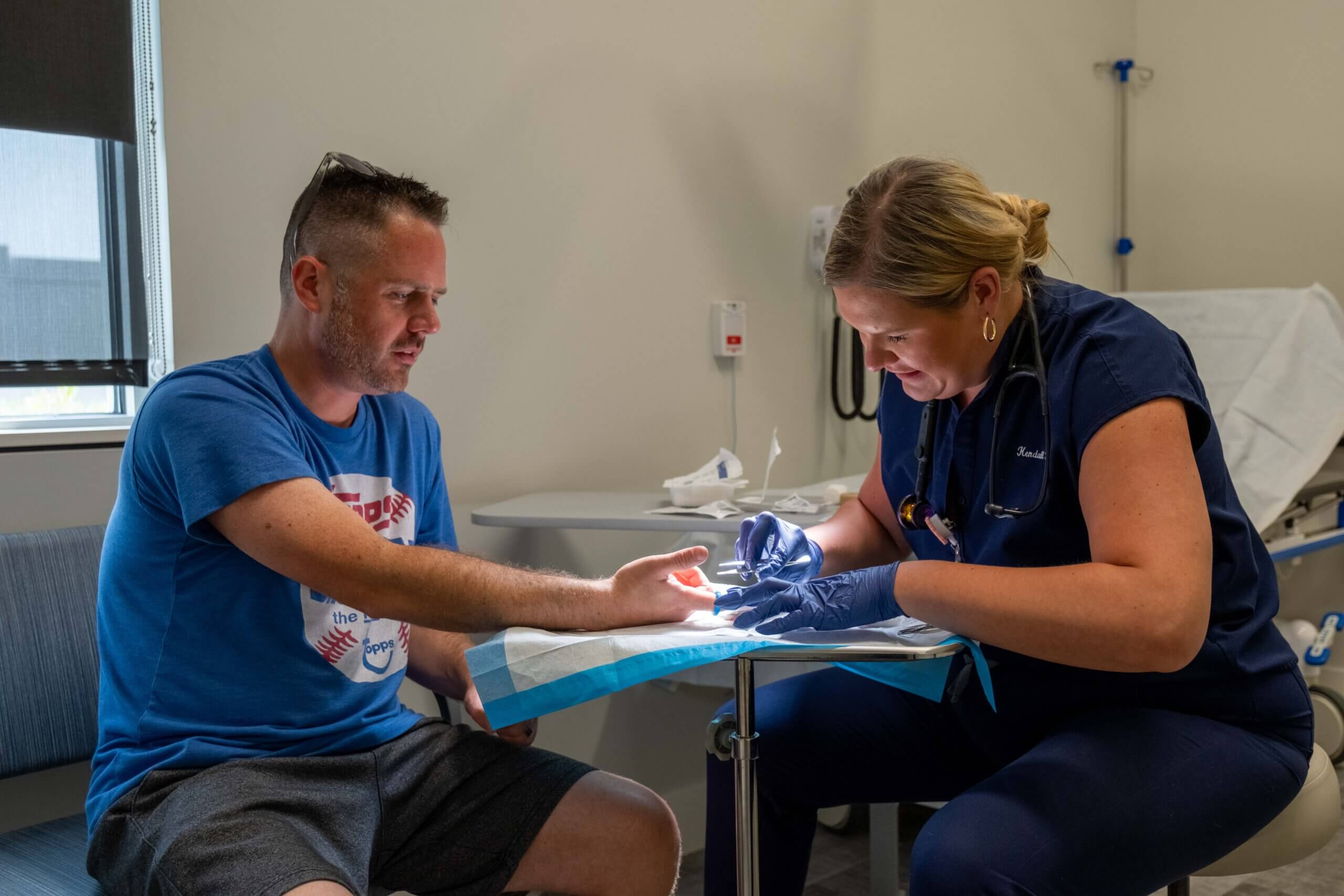
man getting suture from nurse

What are Lacerations and Cuts?

Minor cuts tend to heal relatively quickly and do not typically come along with a high risk for infection. Lacerations are deeper injuries that can affect skin, connective tissue, muscles, and in severe cases, nerves or tendons, often resulting in significant bleeding. They often result from blunt trauma, falling or collisions. In severe cases, damage to the muscle and underlying skin can occur.


What are the Symptoms of Lacerations and Cuts?

Lacerations and cuts are usually obvious and do not tend to go ignored or overlooked. They can come along with varying symptoms, however, including the following:

  • Pain (mild to severe depending upon the injury)
  • Bruising
  • Bleeding
  • Swelling
  • Skin discoloration

In severe cases, the following symptoms may be signs of a medical emergency:

  • Persistent bleeding that doesn’t stop after 10–15 minutes of direct pressure
  • Debris in the wound
  • Numbness beyond the wound or inability to move a finger or toe.
  • Partially severed fingers/toes
  • Signs of shock (such as weak pulse, clammy skin, rapid breathing)

If experienced, seek medical treatment right away so as to prevent complications from forming.


Diagnosing and Treating Lacerations and Cuts

The first step with any laceration or cut is to stop the bleeding. This can be done by applying direct pressure with sterile gauze or a clean cloth and keeping the affected area elevated. Once bleeding is controlled, moderate to severe lacerations may require professional evaluation, cleaning, and closure. Depending on the size, depth, and location of the wound, providers may use sutures, staples, or medical adhesive to promote proper healing.

Your ConvenientMD provider will also assess tetanus vaccination status to reduce the risk of infection and ensure safe recovery.


Pediatric or High-Risk Considerations

Children, elderly patients, and individuals with certain medical conditions may be at higher risk for complications from cuts and lacerations. Prompt evaluation is important to prevent infection, ensure proper wound closure, and promote safe healing.


We’re Here to Help

At ConvenientMD Urgent Care, we provide expert care for cuts and lacerations of all types, from minor injuries to deeper wounds that require professional treatment. Our providers can quickly clean, evaluate, and close wounds while minimizing infection risk. Walk into any ConvenientMD location—no appointment is needed—and receive safe, high-quality care to help you heal quickly and comfortably.
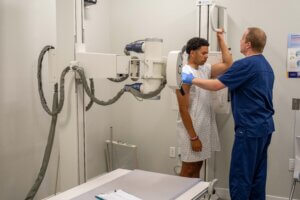
Broken Bones & Fractures: Symptoms, Types, and Treatment Options

What are Broken Bones and Fractures?

Broken bones and fractures are most often caused by acute injuries such as falls, blunt trauma, or unnatural bending of an arm or leg. While the terms are often used interchangeably, fractures can vary in severity and type. Most fractures fall into one of the following four categories:

Stable Fractures

Stable fractures are the simplest and most common type. In these cases, the bone is broken but remains properly aligned. On an X-ray, stable fractures often appear as thin lines with no separation between bone pieces. When treated appropriately, they typically heal faster than more severe fractures.

Hairline or Stress Fractures

Hairline fractures—sometimes called partial fractures—do not result in complete separation of the bone. Hairline fractures can occur from a single injury or from repetitive stress over time. These fractures can be difficult to detect initially but usually have an excellent prognosis when properly treated.

Compound (Open) Fractures

Compound fractures are more serious and occur when the broken bone pierces the skin. Prompt professional treatment is critical to prevent infection and other complications. Without proper care, compound fractures can become severe.

Comminuted Fractures

Comminuted fractures are the most serious type and occur when a bone breaks into three or more pieces. These injuries may require surgical intervention, including metal screws or pins, and often involve a longer recovery period with physical therapy or rehabilitation.

Any suspected fracture or broken bone should be evaluated by a medical professional as soon as possible.


Symptoms of Broken Bones and Fractures

Broken bones and fractures typically present with recognizable symptoms, including:

  • Pain, especially when pressure is applied or movement occurs
  • Redness
  • Swelling
  • Bruising
  • Bleeding
  • Dizziness

Diagnosing and Treating Broken Bones and Fractures

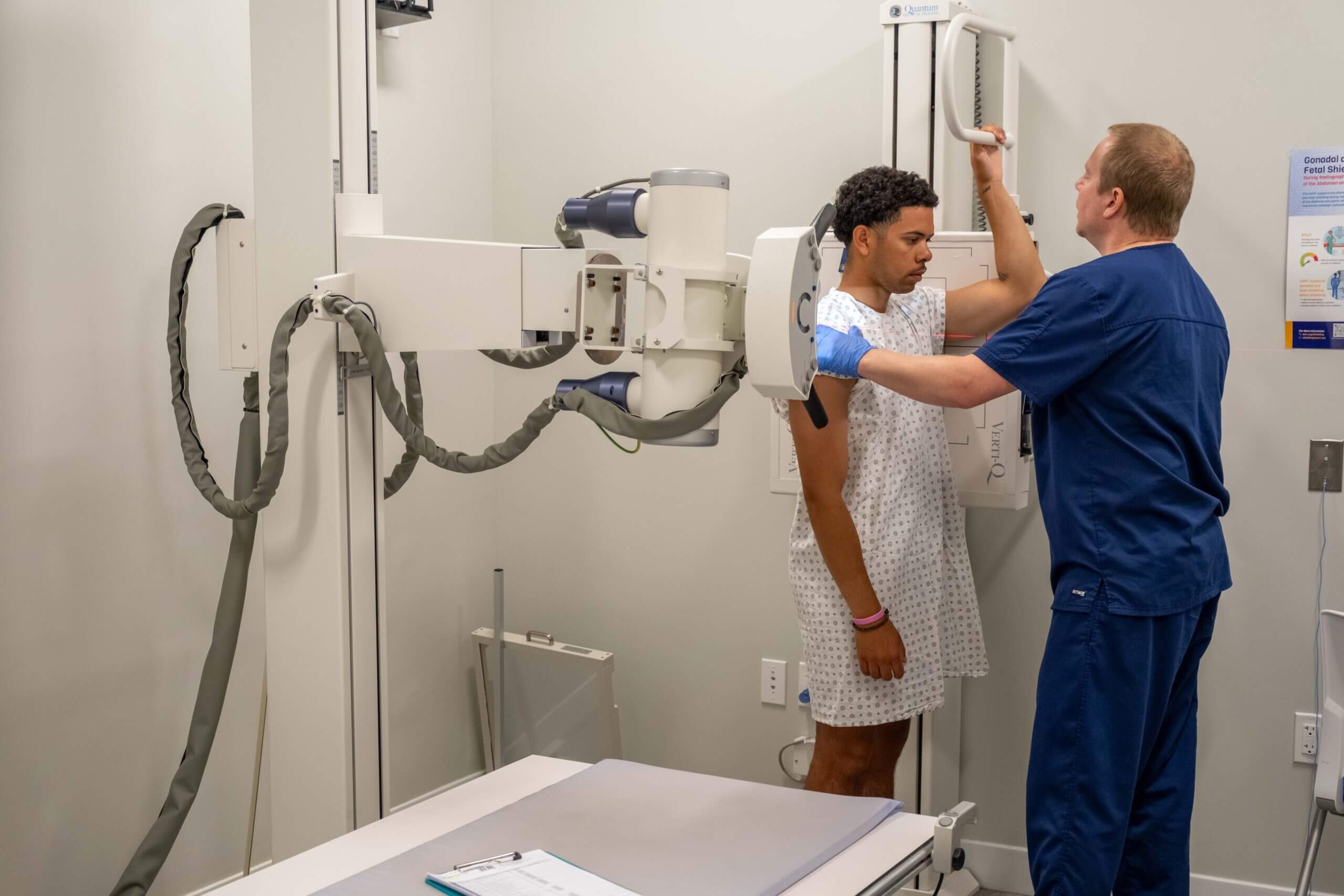
Diagnosis begins with a physical examination and a detailed discussion of how the injury occurred. While clinical evaluation can provide strong clues, X-rays are often used to confirm the presence and type of fracture.

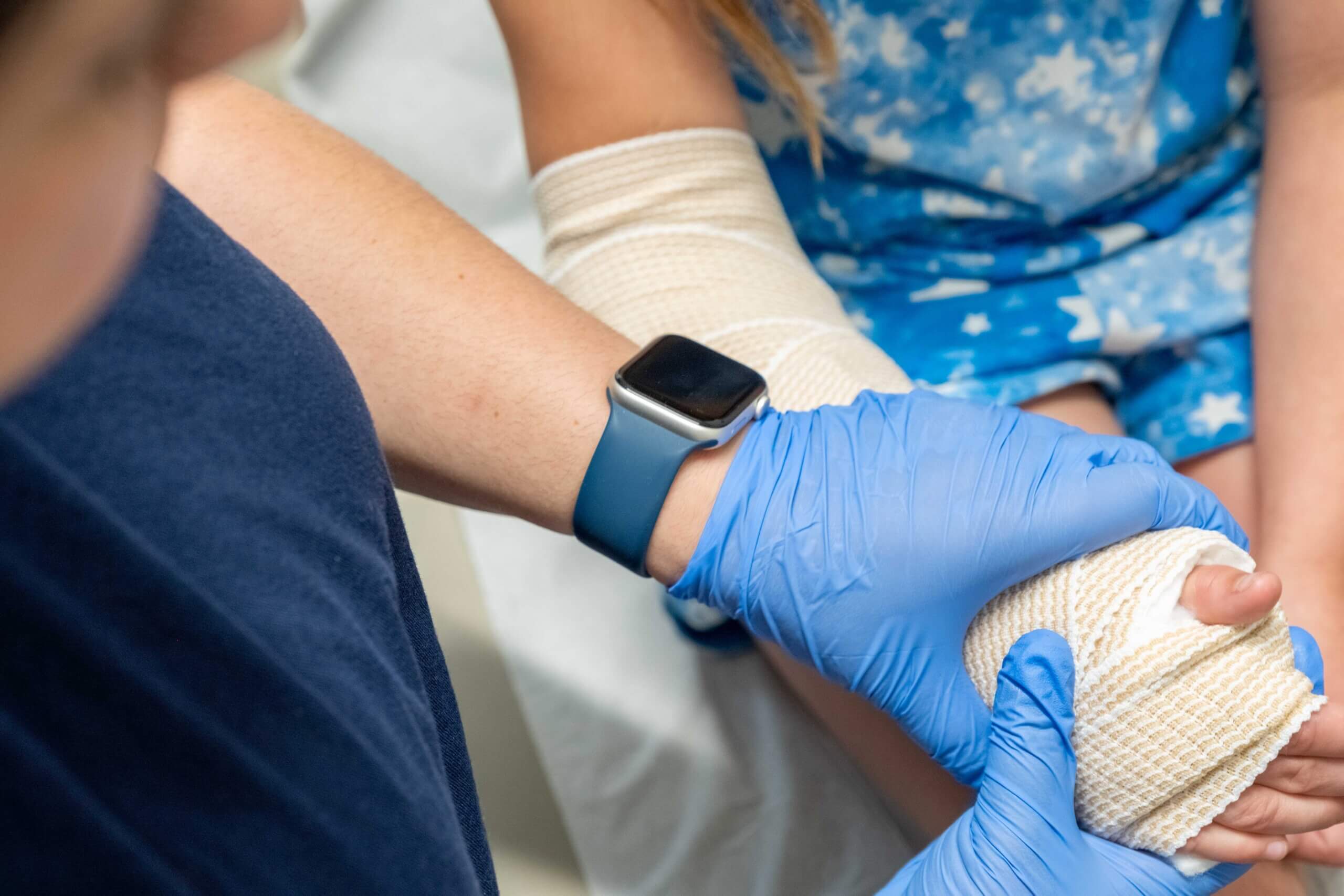
Treatment depends on the severity of the injury. Many fractures—particularly stable and hairline fractures—can be treated with a splint, cast, or brace to support healing and manage pain. More serious fractures may require surgical repair with pins, plates, or screws, followed by a longer recovery period and rehabilitation.


When to go to the Emergency Room:

  • The bone is poking through the skin.
  • The limb looks severely deformed or “crooked.”
  • You have numbness, tingling, or a “cold” feeling in the limb.
  • The injury is to the head, spine, or hip.

Diagnosing and Treating Broken Bones and Fractures

Diagnosis begins with a physical examination and a detailed discussion of how the injury occurred. While clinical evaluation can provide strong clues, X-rays are often used to confirm the presence and type of fracture.

Treatment depends on the severity of the injury. Many fractures—particularly stable and hairline fractures—can be treated with a splint, cast, or brace to support healing and manage pain. More serious fractures may require surgical repair with pins, plates, or screws, followed by a longer recovery period and rehabilitation.


We’re Here to Help

Broken bones and fractures are a fact of life, but prompt treatment can make a significant difference in recovery and help prevent complications. At ConvenientMD, we diagnose and treat minor fractures, helping patients heal safely and get back to their daily routines as quickly as possible.

Sprains and Strains: Symptoms, Treatment, and Care

What are Sprains and Strains?

Sprains and strains are common injuries amongst both children and adults. While similar to one another, each actually involves a different part of the body. Sprains occur when tough, fibrous ligament tissue in the joints is overstretched or torn, commonly affecting the ankles, knees, and wrists. Strains involve stretching or tearing of muscles or tendons, often occurring in the lower back, hamstrings, and shoulder muscles.

Both types of injuries can range in severity from mild (small tears or overstretching) to severe, in which case a complete tear may result. Sprains and strains require medical attention to ensure minimal healing time.


How Do Sprains and Strains Occur?

Any type of physical activity can lead to sprains or strains, although certain scenarios are more common than others.

Sprains affect ligaments (the tough bands that connect bone to bone at a joint). They occur when a ligament is stretched or torn, often from twisting, rolling, or sudden impact.

Strains affect muscles or tendons (which connect muscle to bone). They commonly result from overstretching, improper lifting, sudden movements, or repetitive stress. A strain may lead to muscle spasms, swelling, cramping, and difficulty moving the affected area, which is typically confined to the legs, arms, neck and back.


How are Sprains and Strains Treated?

Treatment begins with controlling swelling and pain through rest, ice (15–20 minutes at a time), compression, and elevation. NSAIDs may help reduce pain and inflammation. Moderate-to-severe sprains or strains may require splints or braces, and complete tears of ligaments or tendons could need surgical repair. Physical therapy is often recommended to regain strength and mobility.


Pediatric Considerations

Sprains and strains in children and adolescents can have unique considerations. During growth spurts, bones, muscles, and tendons may develop at different rates, increasing the risk of injury. Young athletes are particularly susceptible to sprains, strains, and overuse injuries. Additionally, injuries near growth plates—the areas of developing tissue at the ends of long bones—require careful evaluation, as damage can affect future bone growth. Parents and caregivers should seek prompt medical attention if a child experiences severe pain, swelling, difficulty moving the joint, or any signs of a more serious injury.


We’re Here to Help

At ConvenientMD, we understand how painful sprains and strains can be. Our providers evaluate injuries and provide appropriate treatment during your visit. From mild strains to more severe sprains, walk in without an appointment for prompt medical care.  We’re open every day from 8 a.m. to 8 p.m. 

Cold vs. Allergies: Symptoms, Treatment and When to Seek Care

Woman Sneezing

Unfortunately, allergies often share symptoms with the common cold and flu, making it hard to know what’s actually causing you to feel unwell.

If you’re not feeling your best and aren’t sure what’s behind your symptoms, here’s how to tell the difference—and when to seek care.


What are Your Symptoms?

How long symptoms last

  • Colds: Usually last 7–10 days, with mild symptoms sometimes lingering another week.
  • Allergies: Can last for weeks or even months as long as you’re exposed to the allergen.

 If symptoms last longer than 10 days or aren’t improving, it’s time to see a provider.

Body aches and fatigue

  • Colds: Muscle aches and fatigue are common.
  • Allergies: Do not typically cause body aches.

Fever

  • Colds: A low-grade fever may occur.
  • Allergies: Never cause a fever.

If you have a fever along with congestion or cough, allergies are unlikely.

Nasal drainage

  • Allergies: Thin, clear, watery mucus.
  • Colds & infections: Thicker mucus that may appear yellow or green.

Note: Yellow or green mucus does not automatically mean a bacterial infection or that antibiotics are needed. If symptoms are worsening or not resolving, a provider can help determine next steps.

Eye symptoms

  • Allergies: Itchy, watery, red, or puffy eyes are very common.
  • Colds: Eye symptoms are uncommon.

If eye irritation is one of your main complaints, allergies are more likely.


What Are Seasonal Allergies?

Seasonal allergies occur when your immune system reacts to substances that appear at certain times of year, such as pollen from trees, grasses, and weeds. This reaction—known as allergic rhinitis or “hay fever”—causes inflammation in the nose and sinuses, leading to congestion, sneezing, and itchy eyes.

While substances like dust mites, pet dander, and mold are often grouped with allergies, they are typically present year-round. Seasonal allergies, on the other hand, flare up when specific pollens are in the air.


Common Symptoms of Seasonal Allergies

Symptoms can range from mild to disruptive and may include:

  • Runny or stuffy nose
  • Sneezing
  • Itchy, watery eyes
  • Nasal congestion
  • Sinus pressure
  • Full or plugged sensation in the ears

In rare cases, hives or rashes may occur. If this happens, medical attention should be sought promptly.


Treating and Managing Seasonal Allergies

There is no cure for allergies, but symptoms can be managed effectively. Helpful strategies include:

  • Limiting exposure to allergens when pollen counts are high
  • Staying indoors on dry, windy days
  • Removing clothing worn outside and showering after heavy exposure
  • Drying laundry indoors instead of outside
  • Using HEPA air filters at home
  • Taking over-the-counter antihistamines, decongestants, or nasal sprays
  • Performing gentle saline sinus rinses
  • Talking with a provider about prescription options if symptoms persist

Pediatric Considerations

Children can experience seasonal allergies just like adults. In fact, about 80% of children with asthma also have allergies, which can trigger asthma symptoms. While allergies can’t be cured, they can be safely treated.

Depending on your child’s age and symptoms, treatment may include:

  • Antihistamines or nasal sprays
  • Saline rinses
  • Avoidance of known triggers

Children with severe allergies may require an epinephrine auto-injector. Always consult your provider before starting any new medications.


Is It a Cold or Allergies?

Colds typically begin with a sore throat and develop into cough and congestion, resolving within 3–14 days. Allergies tend to cause prolonged sneezing, congestion, and itchy eyes that can last for weeks or months.

If you’re unsure what’s causing your symptoms, or if you’ve been sick for more than a week, it’s best to seek medical evaluation.


We’re Here to Help

At ConvenientMD, we know seasonal allergies are more than just an inconvenience—they can make everyday life harder than it needs to be. If your symptoms are persistent, severe, or interfering with your daily routine, we’re here to help.

Stop into any ConvenientMD location or schedule a Virtual Urgent Care visit. We’ll help you feel better and get back to your day. Open every day 8am – 8pm. No appointment needed.

Sinus Infections: Symptoms, Causes, and When to Seek Care

woman blowing nose with sinus infection

What is a Sinus Infection?

Sinus infections are often called “sinusitis” (also “rhinosinusitis”), sinus infections occur when either viruses or certain forms of bacteria multiply within the body’s sinus cavities. Sinus infections also typically involve inflammation of the sinuses. Sinuses are  hollow areas within the bones which surround the nose and are generally empty in healthy individuals. With sinusitis, they may become filled with mucus, which can become a breeding ground for bacteria. 


What Causes Sinus Infections?

Sinuses are normally open cavities, and fluid buildup can lead to infection or discomfort. Sinus infections often start with the presence of swelling inside of the nose—it may be precipitated by the common cold or by allergies. This can lead to blockages in drainage ducts, which means mucus that doesn’t flow as it should and instead remains stagnant within the sinuses. 

Patients with uncomplicated acute rhinosinusitis can be managed symptomatically and will typically improve within two weeks. While there are no treatments that shorten the clinical course of the disease, there are options to manage the symptoms to improve comfort. Though less common, structural abnormalities can also cause sinus infections to occur, including nasal polyps. 

Acute vs. Chronic Sinusitis

The vast majority of people who come down with a case of sinusitis will experience the illness as a result of complications from a cold, or perhaps a particularly bad bout of allergies. These cases are said to be acute in nature. That said, many people suffer from the regular occurrence of sinus infections, often due to structural abnormalities such as a deviated septum. 

While the vast majority of cases of acute sinusitis are caused by viruses, chronic sinusitis is often due to inflammation and/or structural abnormalities—surgery may be required for symptomatic relief in severe chronic sinusitis cases. 


What are the Symptoms of Sinus Infection?

Symptoms of sinusitis can differ depending upon whether or not the illness is acute or chronic. Common symptoms, however, are as follows: 

Acute Sinusitis

  • Facial pain
  • Pressure in sinuses
  • Cough
  • Congestion
  • Stuffy (occasionally runny) nose
  • Reduced sense of smell
  • Fever

Chronic Sinusitis

  • Fatigue
  • Bad breath (halitosis)
  • Dental pain (upper teeth)
  • Pus in nasal cavity
  • Post-nasal drip

Pediatrics Considerations

Though sinusitis commonly affects adults, children are also susceptible due to a number of different factors. Causes for sinusitis in children may include: 

  • Allergies
  • Pacifiers
  • Bottles (especially drinking when laying on back)
  • Second-hand smoke

We’re Here to Help

Sinus infections can be uncomfortable and disruptive. At ConvenientMD, our providers assess sinus symptoms and determine appropriate care for acute or chronic sinusitis during your visit. 

Walk in for timely medical evaluation—no appointment required. Open every day from 8 a.m. to 8 p.m.